Signs Your Home Needs Insulation Replacement
Drafty rooms, rising energy bills, or old insulation? Learn the key signs your home needs insulation replacement and what to expect before you schedule service.
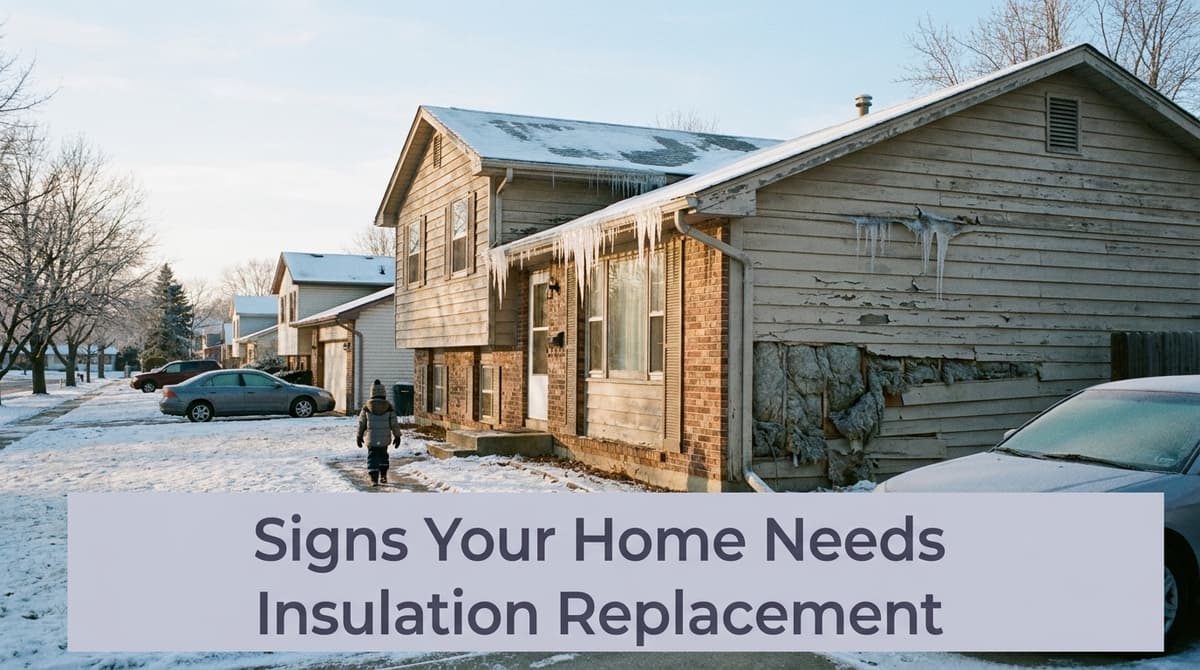
When a Simple Question Turns Into a Bigger Insulation Conversation
We recently got a call from a homeowner — let's call her Kelly — who asked a straightforward question: "Do you do insulation replacement in my area?" She wanted to know if we worked in her zip code and whether we could help with old insulation that just wasn’t doing the job anymore.
Even though insulation replacement isn’t always listed as a standard, one-click service, we often get calls like Kelly’s. We took down her basic information and a good way to reach her so our team could follow up, talk through her options, and see if replacement made sense for her home.
That call is what inspired this post. If you’re wondering whether your home needs insulation replacement — and what to know before you schedule anything — you’re not alone.
Common Signs Your Home May Need Insulation Replacement
Insulation doesn’t last forever. Heat, moisture, pests, and simple aging can all break it down. Here are some of the most common red flags we see when we visit homes like Kelly’s:
- Rooms that are hot in summer and cold in winter – If one side of the house is always uncomfortable while the thermostat says you should be fine, that’s a big clue your insulation isn’t doing its job evenly.
- Rising energy bills with no clear reason – When insulation breaks down or settles, your HVAC system has to work overtime. If your bills are creeping up year after year, it might not be just utility rate hikes.
- Drafts or “cold spots” along walls or in hallways – Drafts aren’t only from windows and doors. Poor wall or attic insulation can make certain spots feel chilly even when the rest of the house is okay.
- Dusty home and more allergy symptoms – Old or damaged insulation can let more outdoor dust, pollen, and irritants move through your home.
Visual Clues in Your Attic or Crawlspace
When we visit, we don’t just rely on how the house feels — we look at the insulation itself. You can do a basic check too, if it’s safe to access your attic or crawlspace:
- Insulation below or level with the joists – If you can easily see the wooden attic floor joists, you probably don’t have enough insulation and may need more or a full replacement.
- Dark, matted, or sagging insulation – This can mean moisture damage, air leaks, or just very old material that’s lost its effectiveness.
- Signs of pests – Droppings, tunnels, or shredded insulation suggest rodents or insects have moved in. In many of these cases, replacement is safer than trying to salvage what’s there.
- Obvious water staining or mold – Wet or moldy insulation should almost always be removed and replaced after the moisture source is fixed.
Understanding R-Value and How Much Insulation You Really Need
One of the things homeowners like Kelly often ask is, "How do I know how much insulation I actually need?" That’s where R-value comes in.
R-value is a measure of how well insulation resists heat flow. The higher the number, the better it insulates. Different climates have different recommended R-values:
- Attics – In many parts of the U.S., including our region, a typical target is around R-38 to R-49 for attics.
- Exterior walls – Existing walls are often in the R-13 to R-21 range, depending on the cavity depth and material used.
If your current insulation falls well below these targets, we’ll talk about whether a "top-up" (adding more insulation on top) is enough, or whether the old material is in such poor shape that full replacement is the smarter move.
Different Insulation Types: Replace or Top Up?
During our follow-up calls with homeowners like Kelly, we walk through what type of insulation they have now and what makes the most sense going forward. Here’s how we usually think about it:
Fiberglass Batt or Blown-In Fiberglass
What it is: The pink or yellow fluffy stuff you see in rolls (batts) or loose fill.
When we might top up: If it’s dry, relatively clean, and just too thin, we can often add more fiberglass on top to boost the R-value.
When we lean toward replacement: If it’s badly matted, contaminated by pests, or shows signs of moisture damage, it’s usually better to remove and replace.
Cellulose Insulation
What it is: A gray, loose-fill insulation made from treated recycled paper, often blown into attics and wall cavities.
When we might top up: If it’s simply settled over time but is still dry and in good condition, we can often blow in additional cellulose or compatible material.
When we recommend replacement: If it’s been wet, shows mold, or is heavily disturbed by rodents, we’ll usually recommend a full removal and replacement.
Spray Foam Insulation
What it is: A foam that’s sprayed in place, then expands and hardens, sealing air leaks as it insulates.
When we adjust rather than replace: Spray foam usually doesn’t get "topped up" in the same way. If it’s in good shape, we often leave it alone and focus on other areas.
When replacement is needed: If it was installed improperly, pulled away from framing, or is trapping moisture due to ventilation issues, specific sections may need to be removed and redone.
What to Know Before You Schedule Insulation Service
A big part of Kelly’s question was simply, "What happens next if I move forward?" Here’s what we encourage homeowners to think about before they book:
- Access to the space – Clear a safe path to attic hatches, pull-down stairs, or crawlspace entries. We’ll handle the rest from there.
- Existing issues – If you’ve noticed roof leaks, condensation, or rodent problems, mention those up front. Insulation will only work well if those are addressed.
- Your comfort goals – Tell us which rooms are the worst offenders. That helps us prioritize problem areas and recommend the right solution.
- Budget and materials – Different insulation types have different costs and benefits. We’ll walk you through options so you’re not surprised.
What Happens During and After Our Visit
When we schedule a visit for insulation, we want you to know exactly what to expect.
The Assessment and Estimate
First, we do a walkthrough and inspection of your attic, crawlspace, or other areas of concern. We:
- Check existing insulation depth and condition
- Look for obvious air leaks, moisture issues, or pest activity
- Ask you about comfort problems and energy bills
From there, we put together an estimate that outlines whether we recommend removal and replacement, a top-up, or a combination of both. We’ll explain the materials we suggest, the R-value we’re targeting, and an approximate project timeline.
Scheduling, Installation, and Cleanup
Once you’re comfortable with the plan and pricing, we schedule the work. On installation day, we:
- Protect flooring and high-traffic areas where we’ll be moving equipment
- Safely remove any insulation that needs to be taken out (if applicable)
- Install the new insulation to the agreed R-values
- Clean up our work areas so you’re not left with a mess
We’ll also walk you through what we did, answer questions, and discuss any next steps — like sealing additional air leaks or improving ventilation if we discovered issues during the job.
Thinking About Insulation Replacement? Start With a Conversation
Calls like Kelly’s are more common than you might think. Many homeowners suspect something’s off with their insulation but aren’t sure if they need a full replacement or just a boost.
If you’re dealing with uncomfortable rooms, high utility bills, or signs of damaged insulation, the best next step is a simple conversation and an in-home assessment. From there, we can help you decide whether replacement, top-up, or a mix of both is the right move for your home and budget.